
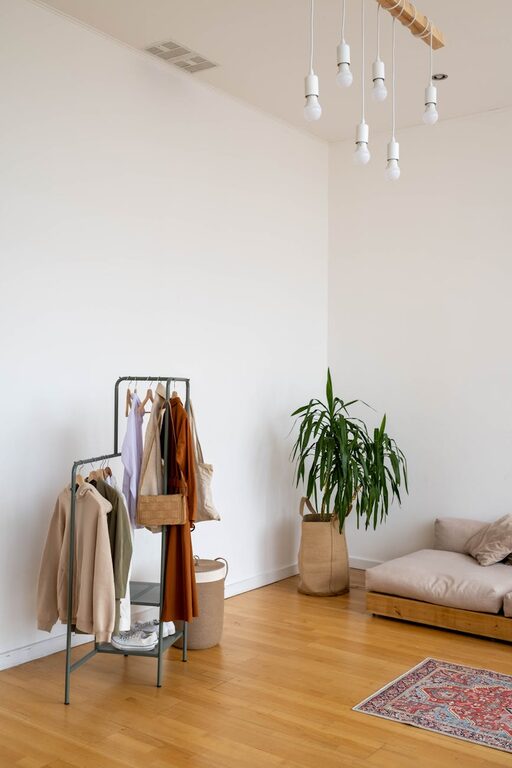
Creating a more organized and clutter-free home environment can make a significant difference in how you feel and function daily. A tidy space often leads to a clearer mind, reduced stress, and more efficient routines. The good news is that achieving an organized home doesn’t require a massive overhaul or expensive purchases. With simple strategies and consistent habits, you can transform your living space step by step.
In this post, we’ll explore practical tips and easy-to-implement methods to help you enjoy a neater and more peaceful home.
Why Organizing Your Home Matters
Before diving in, it’s worth understanding the benefits of an organized home:
– Reduced Stress: Clutter can overwhelm the senses and increase anxiety.
– Improved Productivity: Finding what you need quickly saves time and energy.
– Enhanced Comfort: A clean space feels more welcoming and relaxing.
– Better Maintenance: When everything has a place, cleaning and upkeep become easier.
Now, let’s look at how to get started on this journey.
Step 1: Declutter Room by Room
One of the most effective ways to begin is by decluttering. Instead of tackling your entire home at once, focus on one room or area at a time.
How to Declutter Efficiently:
- **Set a Time Limit:** Dedicate 20-30 minutes per session to avoid burnout.
- **Sort Your Items:** Create piles or boxes for Keep, Donate, Sell, and Trash.
- **Ask Yourself:** When was the last time I used this? Do I really need it?
- **Be Honest:** If something no longer serves a purpose or brings joy, consider letting it go.
- **Handle Donations Quickly:** Take them to a donation center soon after sorting to prevent second-guessing.
By breaking decluttering into manageable chunks, the process becomes less overwhelming and more achievable.
Step 2: Create Designated Storage Spaces
Once you’ve decluttered, it’s important to have a place for every item. This helps maintain that order over time.
Tips for Effective Storage:
– Use Clear Containers: This allows you to see contents without opening boxes.
– Label Everything: Labels can be simple tags or stickers to identify what is inside storage bins or drawers.
– Use Vertical Space: Shelving units or hanging organizers make good use of unused wall space.
– Baskets and Bins: Group similar items together like magazines, toys, or craft supplies.
– Multi-Purpose Furniture: Ottomans or beds with built-in storage add functionality.
Having designated places makes tidying up quicker and easier.
Step 3: Establish Daily and Weekly Routines
Maintaining organization requires regular attention. Small habits prevent clutter from piling up again.
Daily Habits:
– Make Your Bed: It instantly makes your bedroom look neater.
– Clean As You Go: Wash dishes or tidy up after meals.
– Put Things Away: Return items to their storage spot immediately after use.
– Sort Mail Daily: Reject unwanted junk mail or recycle it promptly.
Weekly Tasks:
– Declutter One Zone: Spend 15 minutes on a specific area like your desk, closet, or bathroom counter.
– Deep Clean Hotspots: Vacuum entryways, wipe down kitchen surfaces, or organize the fridge.
– Laundry Routine: Keep up with washing to avoid piles of clothes.
Regular routines turn organization into a habit and reduce the need for lengthy cleaning sessions.
Step 4: Minimize Paper Clutter
Paper can quickly take over a home, from mail and receipts to kids’ artwork or bills.
How to Manage Paper Effectively:
– Go Digital: Opt for electronic bills, statements, and subscriptions.
– Set Up a Filing System: Use folders or binders for important documents.
– Sort Incoming Paper Immediately: Have an inbox tray where mail goes for quick review.
– Recycle Regularly: Remove unnecessary paper to prevent buildup.
Reducing paper clutter frees up space and keeps desks and counters clear.
Step 5: Keep Flat Surfaces Clear
Flat surfaces like countertops, tables, and dressers tend to collect clutter.
Strategies to Maintain Clear Surfaces:
– Limit Items: Only keep frequently used or decorative items on these surfaces.
– Use Trays or Bowls: Catch-all trays can corral keys, wallets, or small items in one spot.
– Clear at Night: A quick evening tidy-up sets you up with a fresh start each morning.
Clear surfaces help rooms feel open and inviting.
Step 6: Make Use of Smart Storage Solutions
Sometimes, investing in simple storage accessories can make a big difference.
Examples Include:
– Drawer Dividers: Organize cutlery, office supplies, or makeup.
– Hooks and Racks: Hang coats, bags, or kitchen utensils.
– Over-the-Door Organizers: Perfect for shoes, cleaning supplies, or pantry items.
– Under-Bed Storage: Utilize bins with wheels to store seasonal clothing or extra blankets.
Look for solutions that suit your space and needs without adding complexity.
Step 7: Practice Mindful Purchasing
Avoid bringing home unnecessary items that add to clutter.
Tips to Shop Mindfully:
– Ask Before Buying: Do I already have something similar? Do I really need this?
– Choose Quality Over Quantity: Durable items reduce waste and replacement.
– Avoid Impulse Purchases: Shop with a list and give yourself time to decide.
Mindful shopping helps maintain the organized environment you worked hard to create.
Final Thoughts
Creating a more organized and clutter-free home is a process, not a one-time project. By decluttering thoughtfully, establishing smart storage, developing routines, and being mindful about what comes into your home, you can enjoy a space that feels calm, functional, and inviting.
Start small, stay consistent, and celebrate the progress you make along the way. Your home can become a place where clarity and comfort thrive.
—
With these simple strategies, you’re well on your way to a more organized home that supports your lifestyle and well-being. Happy organizing!