
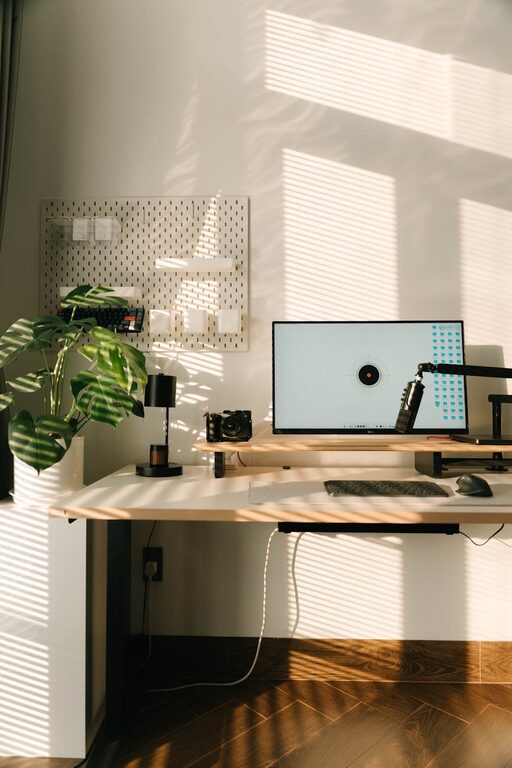
Creating a relaxing home workspace is essential for maintaining focus, reducing stress, and boosting productivity. Whether you work from home full-time or occasionally, a peaceful and organized environment can make a big difference in your daily routine. Here are some practical tips to help you set up a workspace that promotes calm and creativity.
Choose the Right Location
Selecting the perfect spot in your home is the first step toward a relaxing workspace.
– Quiet Corner: Find a space away from high-traffic areas to minimize distractions.
– Natural Light: Position your desk near a window if possible to benefit from natural light, which can improve mood and energy.
– Good Ventilation: Fresh air helps keep you alert and comfortable during work sessions.
Invest in Ergonomic Furniture
Comfort plays a vital role in creating a workspace that you want to spend time in.
– Ergonomic Chair: Choose a chair that supports your back and encourages good posture.
– Adjustable Desk: Consider a desk that can be customized for sitting or standing positions.
– Monitor Placement: Position your monitor at eye level to reduce neck strain.
Personalize Your Space with Meaningful Decor
Adding personal touches can make your workspace inviting without causing clutter.
– Plants: Indoor plants bring life and freshness to the area, plus they help purify the air.
– Artwork or Photos: Display items that inspire you or evoke positive memories.
– Color Choices: Use calming colors like soft blues, greens, or neutrals to encourage relaxation.
Keep it Organized and Clutter-Free
An organized space helps reduce anxiety and makes it easier to stay on task.
– Storage Solutions: Use shelves, bins, or drawer organizers to keep supplies tidy.
– Minimal Desk Items: Limit the number of objects on your desk to essentials.
– Daily Clean-Up: Spend a few minutes at the end of each day to tidy your workspace.
Incorporate Calming Elements
Small additions can create a soothing atmosphere during busy work hours.
– Soft Lighting: Use lamps with warm bulbs or adjustable brightness instead of harsh overhead lights.
– Aromatherapy: A subtle diffuser with lavender or eucalyptus can help you feel calm.
– Sound: Play gentle background music or nature sounds to improve concentration.
Establish Boundaries and Routine
Even the best physical setup needs clear habits to maintain a relaxed work environment.
– Set Work Hours: Define when your workday starts and ends to separate work time from personal time.
– Break Time: Schedule regular breaks to stand, stretch, or take a short walk.
– Tech-Free Zones: Keep your workspace free from distractions like unrelated smartphones or TVs.
Use Technology to Your Advantage
Smart use of technology can simplify your work and reduce stress.
– Cable Management: Use clips or sleeves to keep cords neat and prevent tangling.
– Productivity Tools: Apps for time management or to-do lists help maintain focus.
– Noise-Canceling Headphones: These can block out background noise, especially in busy homes.
Prioritize Comfort and Well-Being
Remember that your workspace should support your overall health.
– Temperature Control: Use fans or heaters as needed to create a comfortable climate.
– Hydration Station: Keep a water bottle nearby to stay hydrated during work.
– Movement: Incorporate stretch breaks or a small area for light exercise to avoid stiffness.
—
Creating a relaxing home workspace takes some planning, but the benefits are clear—improved focus, lower stress, and a boost in your overall wellbeing. By following these tips, you can craft a comfortable, inviting environment that helps you thrive in your work-from-home life.